
Endometriosis is now widely understood as a complex, inflammatory, multi-system disease that affects the entire body, not simply a reproductive condition. Because it affects immune function, connective tissues, the nervous system, and the inflammatory pathways throughout the body, many of our patients with Endometriosis (unfortunately) also live with other chronic conditions. If you’ve ever wondered, “Why do I have so many overlapping conditions?” you’re not alone and there are real biological explanations for why this happens. Research has consistently shown higher rates of Ehlers–Danlos Syndrome (EDS), fibromyalgia, IBS/IBD, vulvodynia, and interstitial cystitis (IC) in people with endo compared to the general population. But why do these conditions overlap and coexist?
- The Role of Chronic Inflammation Cause by Endometriosis in the Body
Endometriosis is characterized by persistent, low-grade inflammation due to lesions releasing inflammatory cytokines (such as IL-6, TNF-α, and prostaglandins -which are key mediators of inflammation that are released in response to pathogens or tissue damage). When inflammation becomes systemic, it can affect:
- Nerves
- Connective tissues
- Pelvic organs
- Gastrointestinal function
- Pain processing pathways in the brain and spinal cord
This helps explain why individuals with endo commonly develop IBS/IBD, vulvodynia, and IC, since these conditions are also linked closely to chronic inflammatory signaling.
- Central Sensitization and Chronic Pain
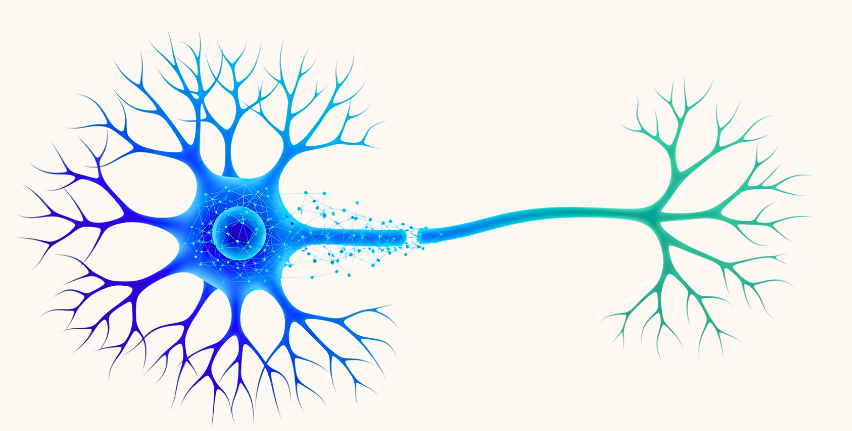
A large subset of people with endometriosis develop central sensitization, a phenomenon where the nervous system becomes hypersensitive and amplifies pain signals. This makes the body react strongly to otherwise mild sensations such as pressure, bladder fullness, touch, or bowel movements. Conditions strongly associated with central sensitization include:
- Fibromyalgia
- Vulvodynia
- Interstitial cystitis/painful bladder syndrome (IC/PBS)
Because endometriosis often begins in adolescence and may go untreated for years, the ongoing nociceptive input (the process of nerve signals that detect and transmit info about potentially or actually harmful stimuli) can “train” the nervous system to remain in a heightened pain-alert state causing the body to become stuck in a stress response.
- Connective Tissue Differences and Ehlers–Danlos Syndrome (EDS)
Multiple studies have shown an increased rate of generalized hypermobility and Ehlers–Danlos Syndrome (EDS) in people with Endometriosis due to both Endo and EDS sharing similar patterns:
- Connective tissue fragility & collagen differences may influence how pelvic tissues respond to inflammation.
- Pelvic instability which can lead to increased pelvic pain due to lack of support for crucial pelvic organs. This can also trigger and worsen pelvic floor dysfunction symptoms such as bladder & urinary urgency/frequency/leakage, bowel issues like diarrhea and constipation, and chronic pain or heaviness in the abdomen, pelvic floor, rectum, and genitals.
- Visceral sensitivity which can make pelvic organs (including the uterus and bladder) more reactive
Although the exact link is still being researched, the overlap is significant enough that many specialists now screen endometriosis patients for hypermobility features.
- Immune System Dysfunction
Endometriosis is associated with immune dysregulation, including altered macrophage activity (a type white blood cell that is responsible for identifying & destroying pathogens, dead cells and cellular debris), decreased natural killer cell function (cells become less effective at fighting off harmful diseases), and increased autoimmune-like activity. This can contribute to:
- Greater susceptibility to GI inflammation (IBS or IBD)
- Higher likelihood of chronic pain conditions
- Persistent pelvic inflammation that mimics or worsens IC and vulvodynia
People with endometriosis are also more likely to develop autoimmune conditions or immune-mediated pain disorders, suggesting a shared immunological pathway.
- Pelvic Floor Dysfunction and Organ Cross-Talk
Chronic pelvic pain from endometriosis often causes the pelvic floor muscles to become tense, guarded, and overactive. This muscular tension contributes to:
- Vulvodynia
- Painful intercourse
- Difficulty relaxing the bladder (associated with IC)
- Constipation or incomplete bowel emptying (linked to IBS symptoms)
Additionally, the bladder, bowel, uterus, and pelvic nerves share neural pathways, a phenomenon known as viscero-visceral cross-talk. This means that irritation in one organ can increase sensitivity in another, creating overlapping symptoms. As the organs become more reactive, the pelvic floor muscles tighten in response, leading to a cycle of pain, tension, and heightened nerve sensitivity. This interconnected system explains why endometriosis often leads to multiple pelvic symptoms, even when the lesions themselves may not be directly on every organ.
The Bottom Line: Your symptoms are connected and you deserve comprehensive care.
As if living with Endometriosis wasn't hard enough on it's own, having multiple overlapping conditions can feel overwhelming, confusing, frustrating, and isolating especially when trying to find the right treatment approach. But it’s important to know that these symptoms are not random and they are not in your head. The bladder, bowel, pelvic floor, nervous system, and reproductive organs are all deeply & complexly interconnected. When one area becomes inflamed or irritated, as often happens with endometriosis, it can create a ripple effect throughout the entire pelvis region and beyond.
The good news is that with the right team who understands the complexity of these conditions and how they are connected to Endo, many of these symptoms can be improved or significantly reduced. If you’re experiencing endometriosis-related pain, bladder or bowel symptoms, pelvic floor tension, or have been diagnosed with any of the chronic conditions discussed above in addition to Endo, you don’t have to navigate it alone. Pelvic floor PT works to address whole-body connections, not just the pelvic organs, which can make a significant difference in long-term relief.
If you're looking for the right place to start your healing journey, click below to schedule a free, 20-minute consult with one of our trusted pelvic floor physical therapists to learn what treatment can look like for you. No matter how long you’ve been living with these symptoms, your pain is real, your story matters, and hope, healing & compassion are within your reach.
Book Your Free ConsultationTopics