
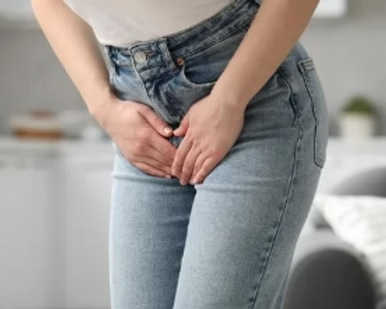
At our clinic we often see patients who continue to experience bladder urgency, frequency, leakage or discomfort long after their urinary tract infection has cleared. Many patients come in frustrated, saying things like,“I keep feeling like I have a UTI, but every time I get tested, it comes back negative.”
Sound familiar? You’re not imagining it and you’re definitely not alone. But why does this happen?
First we'll have to take a look at what a UTI is and how it impacts the health of your bladder and pelvic floor.
A urinary tract infection (UTI) happens when bacteria enter the urinary tract, which includes the urethra, bladder, ureters, and kidneys, and begin to multiply. Most infections occur in the lower urinary tract, meaning the bladder and urethra. The most common type of bacteria that causes UTIs is Escherichia coli (E. coli), which naturally lives in the intestinal tract. While harmless in the gut, E. coli can cause problems if it travels to the urethra and bladder. Once there, it can irritate the bladder lining and lead to infection and inflammation a.k.a. a UTI.
UTIs can be extremely uncomfortable consisting of burning, pressure, and that constant urge to go. But for some people, the story doesn’t end when the antibiotics do. After multiple infections, the nerves in the bladder and pelvic floor muscles can remain stuck in a state of irritation or tension.
When this happens, the nerves that communicate between your bladder and brain can become overactive. Your bladder starts sending “time to go” signals even when it’s only partially full. This can lead to overactive bladder (OAB) symptoms such as:
- Sudden, strong urges to urinate
- Going to the bathroom more often than usual
- Waking up at night to urinate
- Leaking before making it to the toilet
Over time, this creates a feedback loop, the more irritated and tense the bladder and pelvic muscles become, the more sensitive they get. Even after the infection is gone, your bladder can act like it’s still under threat.
Many of my patients with a history of recurrent UTIs describe a similar experience:
- They notice their urgency and frequency getting worse over time.
- They feel discomfort or pelvic pressure even without infection.
- They’ve been prescribed multiple rounds of antibiotics, yet the symptoms persist.
In these cases, what’s often happening isn’t an active infection, it’s a sensitive, overactive bladder and a tight pelvic floor. The pelvic floor muscles may have subconsciously tightened in response to infection or pain, and that tension never fully released. This tightness can make it harder for the bladder to empty completely, setting the stage for further irritation or even more UTIs.
While some people are naturally more prone to urinary tract infections due to factors like anatomy, hormonal changes after menopause, pelvic floor dysfunction, or a history of recurrent infections, there are still many ways to help reduce your risk and support a healthy bladder such as:
- Staying hydrated: Drinking enough water helps flush bacteria out of your urinary tract before it can cause an infection. Aim for steady hydration throughout the day rather than all at once.
- Develop healthy bathroom habits: Try to avoid holding in your pee. Regularly delaying bathroom trips can allow bacteria to multiply in the bladder. Try to urinate every 2–4 hours during the day. When finished, be sure to wipe front to back to prevent bacteria from spreading from the anus to the urethra.
- Urinate after sexual activity: Those with a history of UTIs may benefit from urinating within 15 minutes following sexual activity to help eliminate any bacteria that may have entered the urethra during intercourse.
- Avoid harsh soaps, bubble baths or fragranced feminine care products: Fragrances can disrupt the natural balance of bacteria, introduce unknown bacteria to the urethra, cause irritation, and lead to an imbalance of good vs. bad bacteria which can create an environment for bad bacteria to grow and multiply, leading to an increased risk of infection.
Additionally, one of the most important UTI prevention and OAB symptom management methods is pelvic floor physical therapy, which can make such a powerful difference.
Through targeted techniques and education, we help patients:
- Relax and retrain the pelvic floor muscles to reduce tension and improve bladder emptying.
- Calm the bladder’s overactive signaling so it no longer sends frequent or false urgency messages.
- Rebuild healthy bladder habits — like avoiding “just-in-case” bathroom trips or straining to urinate.
As your bladder and pelvic floor start working together again, urgency, frequency, and discomfort begin to fade.
If you’re experiencing chronic UTIs or ongoing bladder urgency, frequency, or leakage even after your infections have cleared, your pelvic floor and bladder may need some additional support. Click the button below to inquire how we can help you find lasting relief.
Contact UsTopics