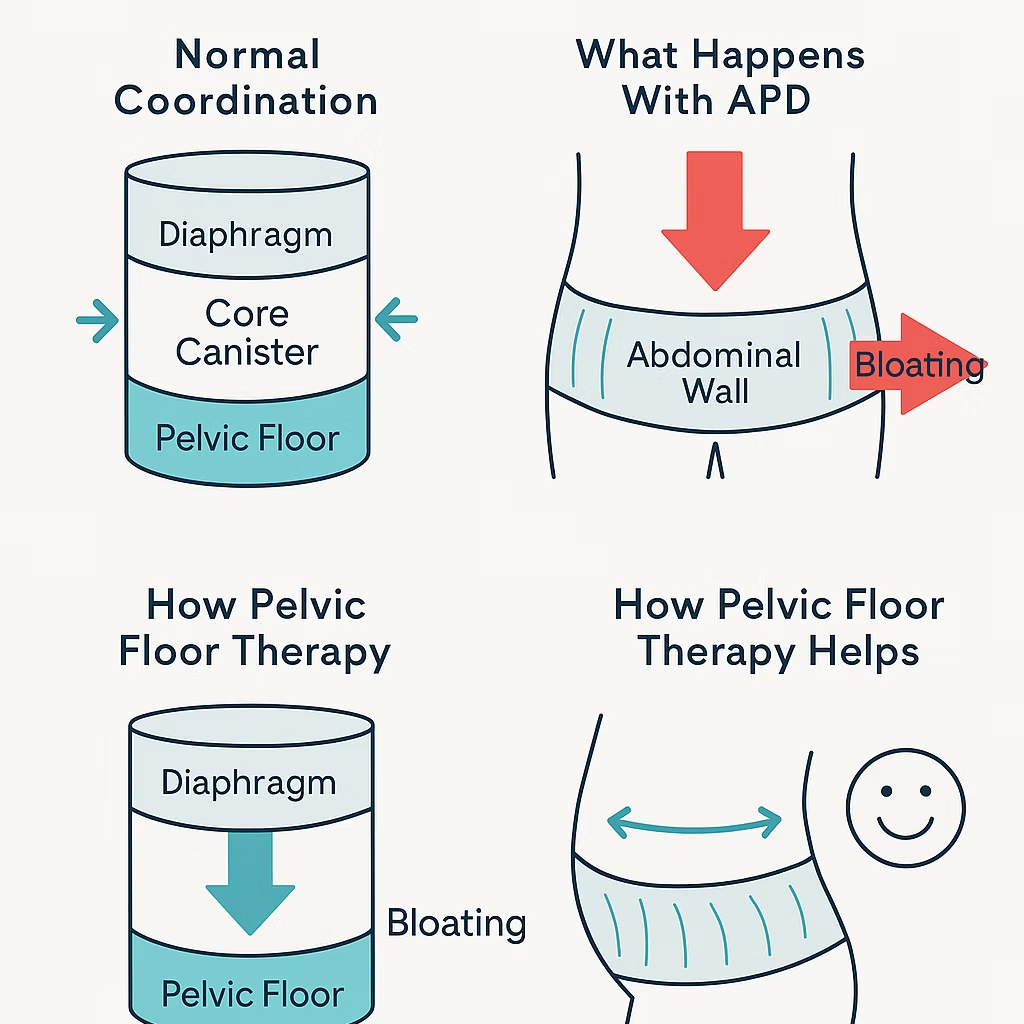
Diaphragm, pelvic floor and abdomen coordination.
Bloating isn’t always about food. Sometimes it’s about how the muscles inside your core — your diaphragm, pelvic floor, and abdominal wall — work together.
When these muscles are out of sync, pressure builds up in your belly, leading to discomfort and distension. This is called abdomino-phrenic dyssynergia (APD).
Let's understand how pelvic floor abdomen and diaphragm work and what happens in bloating.
1. Normal Coordination
When you breathe in:
- Your diaphragm moves down.
- Your pelvic floor and abdominal wall balance the pressure.
- Everything works like a supportive “canister.”
2. What Happens With APD
- The diaphragm presses down too much.
- The abdominal wall relaxes too much.
- The pelvic floor may stay too tight or fail to relax.
- Result: Your belly pushes outward → bloating and pressure.
Another Reason for Bloating may be tight or tensed pelvic floor
Why It Happens
The pelvic floor muscles support the bladder, uterus, and bowel. When these muscles become too tight or overactive, they can disrupt the natural movement of the intestines. This can make it harder for gas and stool to move freely, leading to feelings of pressure, fullness, or bloating. Stress, posture, past injuries, and even chronic holding patterns (like “sucking in” your belly) can all contribute.
Signs You May Notice
- Persistent bloating or abdominal fullness
- Pelvic pressure or heaviness
- Difficulty fully emptying bowels
- Discomfort with sitting or movement
How Pelvic Floor Therapy Helps With Bloating
Pelvic floor physical therapy addresses these root causes by restoring muscle balance and coordination. Treatment may include:
Pelvic Floor Muscle Training
- Teaching relaxation techniques to release tight pelvic muscles.
- Improving coordination for more complete bowel emptying.
Biofeedback & Breathing Retraining
- Sensors provide real-time feedback on how pelvic floor and abdominal muscles are working.
- Patients learn to coordinate diaphragm + pelvic floor + abdominal wall to prevent bloating flare-ups.
Manual Therapy
- Hands-on techniques reduce abdominal tension, scar tissue, and trigger points affecting digestion.
Core & Lifestyle Coaching
- Diaphragmatic breathing exercises.
- Posture correction, hydration, and toileting strategies to support healthy bowel function.
Benefits Beyond Bloating
Many patients notice improvements not only in bloating but also in, constipation and incomplete emptying, pelvic or abdominal pain, urinary urgency or leakage, core strength, and posture
Think of your core like a soda can:
- A closed can holds pressure evenly.
- If the top or bottom weakens, or the sides bulge, pressure escapes and causes problems.
- Pelvic PT makes your “core canister” strong and balanced again — so pressure doesn’t build up as bloating.
Key Takeaway
Bloating isn’t always a food problem. Sometimes, it’s a muscle coordination problem. Pelvic floor therapy uses biofeedback, breathing, and gentle muscle retraining to restore balance — helping you feel lighter, move better, and live with less discomfort.